

Beard Shaping for Different Face Shapes: A Rochester Barber’s Breakdown

A well-shaped beard can completely transform how a man’s face reads, and getting it right depends almost entirely on face shape. At MenSalon LLC in Rochester, MN, clients often come in unsure why a certain beard style works great on a friend but looks off on them. The answer usually comes down to bone structure, jawline, and how the beard is trimmed to complement it. This guide breaks down the most common face shapes and the beard styles that work best for each, based on techniques used daily by our barbers in Rochester.
Why Face Shape Matters for Beard Styling?
Every face shape has natural strengths and areas that benefit from a little visual balancing. A round face, for example, often looks sharper with more length and angles added at the chin, while a long face benefits from fuller sides that widen the overall silhouette. Understanding these basics is the foundation of good beard shaping, and it’s why a cookie-cutter trim rarely produces the best result for every client who sits in the chair.
1. Round Face Shapes
Round faces are typically as wide as they are long, with soft curves and less defined angles at the jaw. The goal here is to create the illusion of length and structure.
- Keep the sides trimmed shorter to avoid adding width
- Grow length at the chin to elongate the face
- Sharpen the cheek line for a more defined edge
- Avoid full round beard shapes that mirror the face’s natural curve
2. Square Face Shapes
Square faces already have strong, angular jawlines, so the goal shifts from adding structure to softening it slightly while still highlighting that natural strength. A rounded beard shape at the chin works well here, softening the hard corners of the jaw without hiding them completely. Many clients with square faces do well with a medium-length beard that follows the jawline closely but rounds off at the bottom rather than staying boxy.
3. Oval Face Shapes
Oval faces are considered the most balanced shape, which means most beard styles work well without much correction needed. This is often the easiest face shape to style creatively, since there’s no major feature that needs to be minimized or emphasized.
- Short stubble
- Full classic beards
- Circle beards paired with a mustache
- Extended goatees
4. Long Face Shapes
Long faces benefit from styles that add width rather than length. Fuller beards on the sides, kept a bit shorter at the chin, help balance out the overall proportions of the face. Skipping styles that emphasize length at the chin, like a long pointed beard, tends to work better for this face shape, since the goal is to widen rather than stretch the appearance further.
5. Heart Face Shapes
Heart-shaped faces are wider at the forehead and narrower at the chin, so the beard’s job is to add width and weight to the lower half of the face. A fuller beard around the jaw and chin, tapering slightly toward the sides, balances the narrower chin against a broader forehead. Thin or overly trimmed beards tend to exaggerate the taper rather than correct it.
6. Diamond Face Shapes
Diamond faces have narrower foreheads and chins with wider cheekbones. A beard with some length at the chin helps soften the narrow point, while keeping the sides slightly closer to the skin avoids adding extra width where the face is already widest. This is one of the more nuanced shapes to style, and it often benefits from a professional consultation to get the balance right.
Choosing the Right Tools and Technique
Getting the shape right isn’t just about knowing the theory, it also comes down to technique and tools. Scissors offer more control for gradual, natural-looking tapers, while trimmers are faster for maintaining a clean, defined line once the shape is established. Our team walks through both approaches with clients depending on their beard length, hair texture, and how much maintenance they’re willing to do between visits, a topic covered in more detail in our piece on scissors vs. trimmers for beard shaping.
Maintaining Your Shape Between Visits
A great beard shape doesn’t stay sharp forever without some upkeep at home. Regular trimming along the neckline and cheek line, along with consistent use of beard oil or balm, keeps the shape looking intentional rather than overgrown. For men who want a deeper dive into at-home care, our guide on building a beard care routine covers the products and habits that make the biggest difference between appointments.
Seasonal Considerations for Rochester Men
Rochester’s cold winters and dry indoor heat can be tough on facial hair, causing brittleness and flaking skin underneath the beard. Adjusting your beard care routine seasonally, adding more moisture in winter months, helps preserve both the shape and the health of the skin beneath it. Our guide on beard care during winter dryness offers practical tips for keeping a beard looking sharp through Minnesota’s harshest months.
Why Professional Beard Shaping Makes a Difference?
While plenty of men attempt to shape their own beards at home, a professional eye catches asymmetries and proportions that are hard to see in a bathroom mirror. Our barbers take the time to assess each client’s bone structure before making a single cut, which is a core part of how we approach every beard shaping appointment at our Rochester location.
Frequently Aksed Questions
Q1. Does beard shaping work for all beard lengths?
Yes, whether you have light stubble or a longer, fuller beard, shaping techniques can be adjusted to suit your current length and growth pattern.
Q2. How often should I get my beard professionally shaped?
Most clients come in every three to four weeks to maintain a clean, defined shape as the beard grows out.
Q3. Can a barber help me figure out my face shape?
Absolutely. Part of the consultation process includes assessing your face shape and recommending a style that suits your features.
Q4. Will beard shaping help with patchy growth?
A skilled barber can shape around patchy areas to create a fuller, more even appearance without shaving everything down.
Q5. Do I need to grow my beard out before a shaping appointment?
Not necessarily. We can work with your current length and set a plan for how to grow and shape it moving forward.
Q6. Is beard oil necessary after a professional shaping?
It’s highly recommended. Beard oil helps keep the skin underneath hydrated and the hair itself softer and easier to manage between visits.
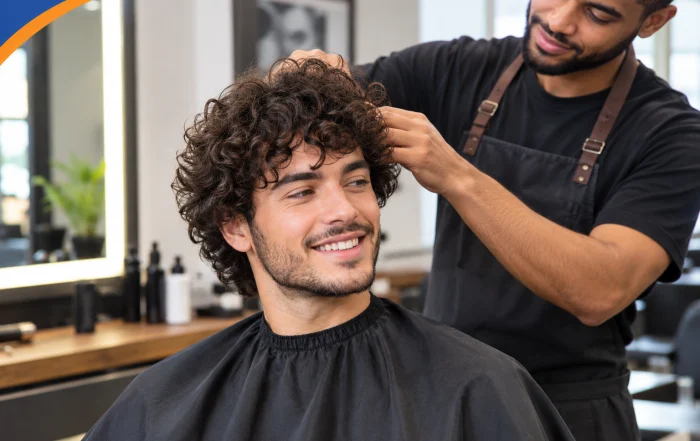
Haircuts for Curly and Wavy Hair: What Your Barber Wants You to Know
Curls and waves have a personality of their own, and the right cut turns that
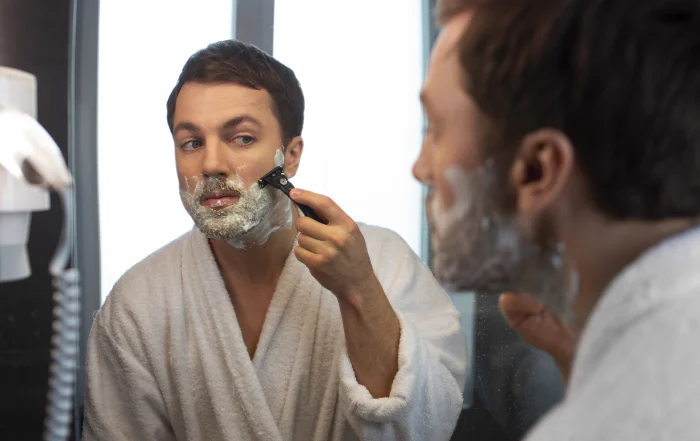
How Long Does Waxing Actually Last Compared to Shaving?
If you're a man in Rochester, MN trying to decide between waxing and shaving, the
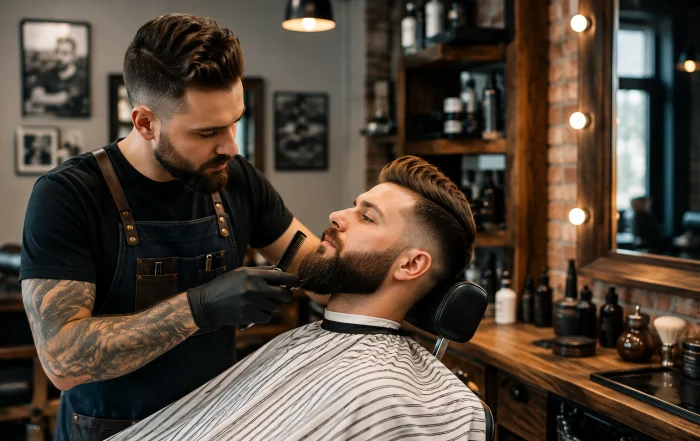
Beard Shaping for Different Face Shapes: A Rochester Barber’s Breakdown
A well-shaped beard can completely transform how a man's face reads, and getting it right
